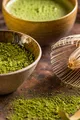
Green tea is made from the leaves of Camellia sinensis, whose natural oxidation is stopped through the application of heat. This processing stage preserves the leaves’ green colour and helps shape the aromatic characteristics of the beverage.
After picking, the leaves begin to wilt and can oxidise. To produce green tea, the enzymes responsible for oxidation are inactivated: dry heat is often used in China, while steaming is the predominant method in Japan.
Chinese and Japanese green tea: types and taste
China and Japan are among the main origins of green tea. Their different processing methods help create distinct aromatic profiles, which also vary according to the variety and the individual product.
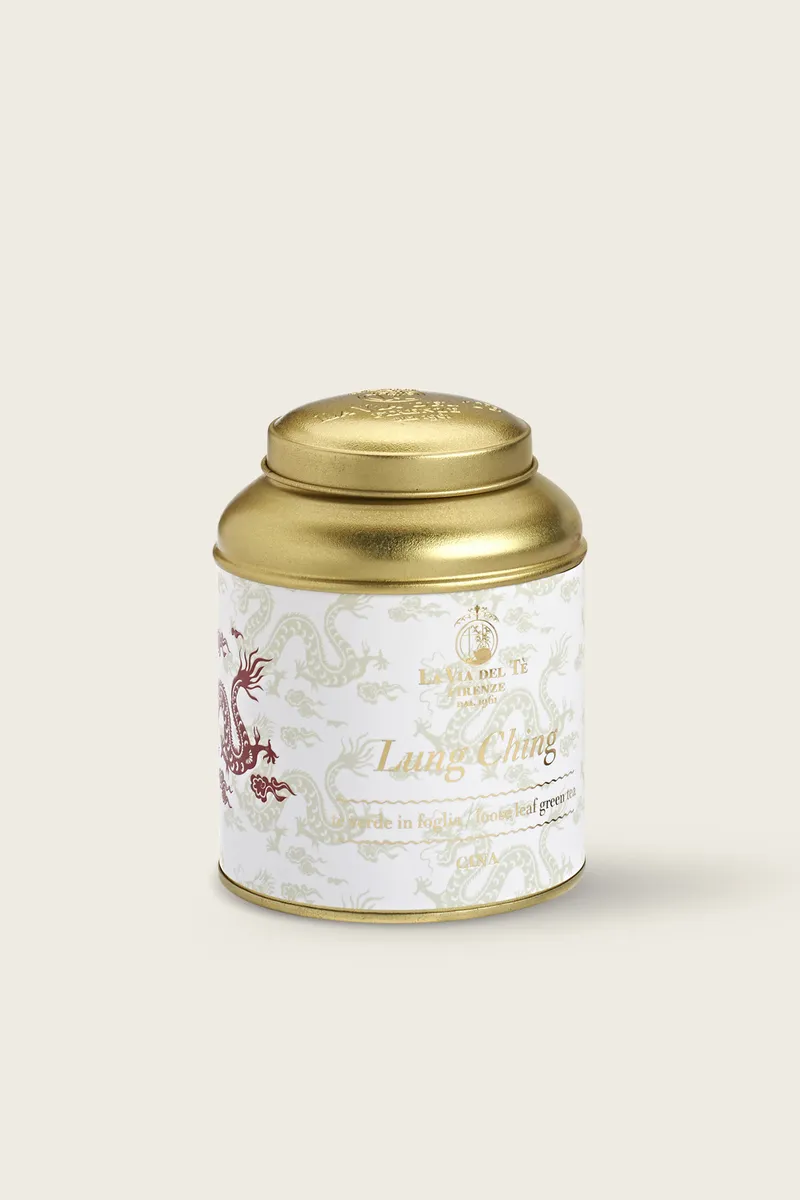
Chinese green teas can have floral, sweet and toasted notes. Well-known types include Lung Ching, with its distinctive flattened leaves, and Gunpowder, whose leaves are rolled into small pearls.
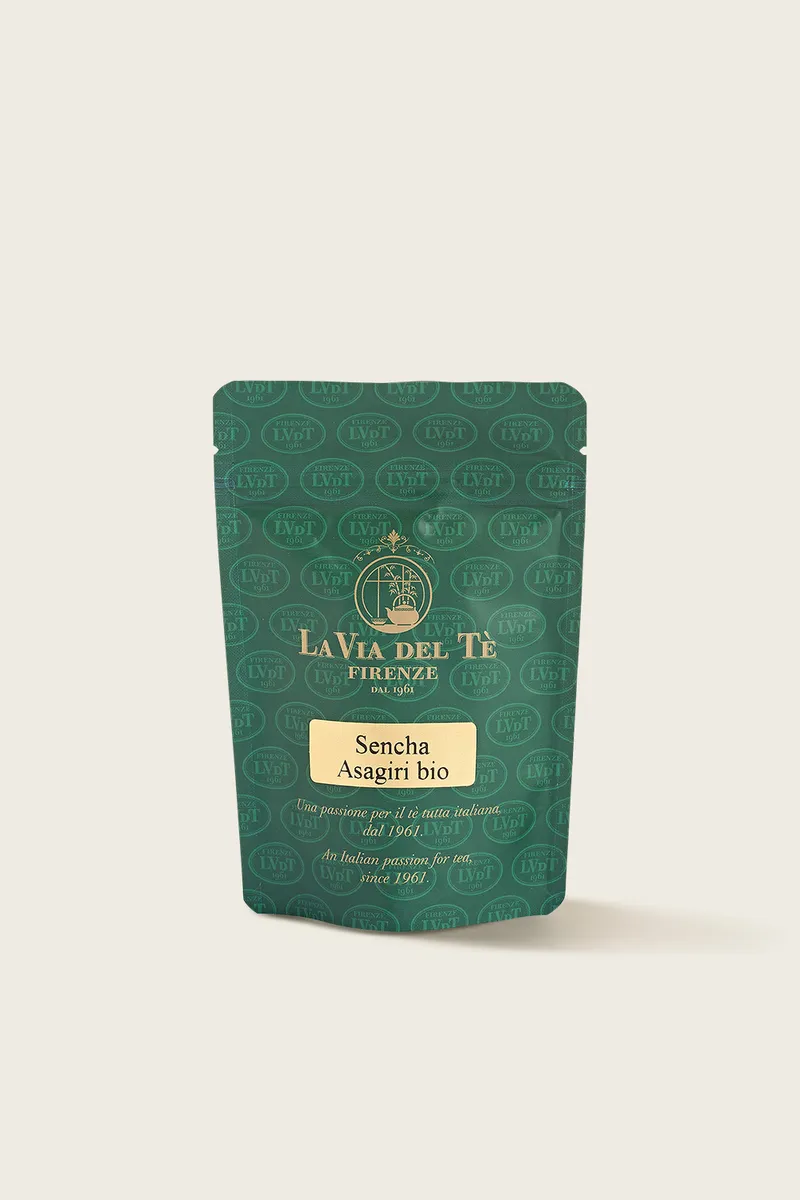
Japanese green teas often have vegetal, grassy and marine notes, accompanied by sweetness and savoury flavours. Sencha and Bancha are among the best-known types. Kukicha stands out for the presence of small stems and twigs in its composition.
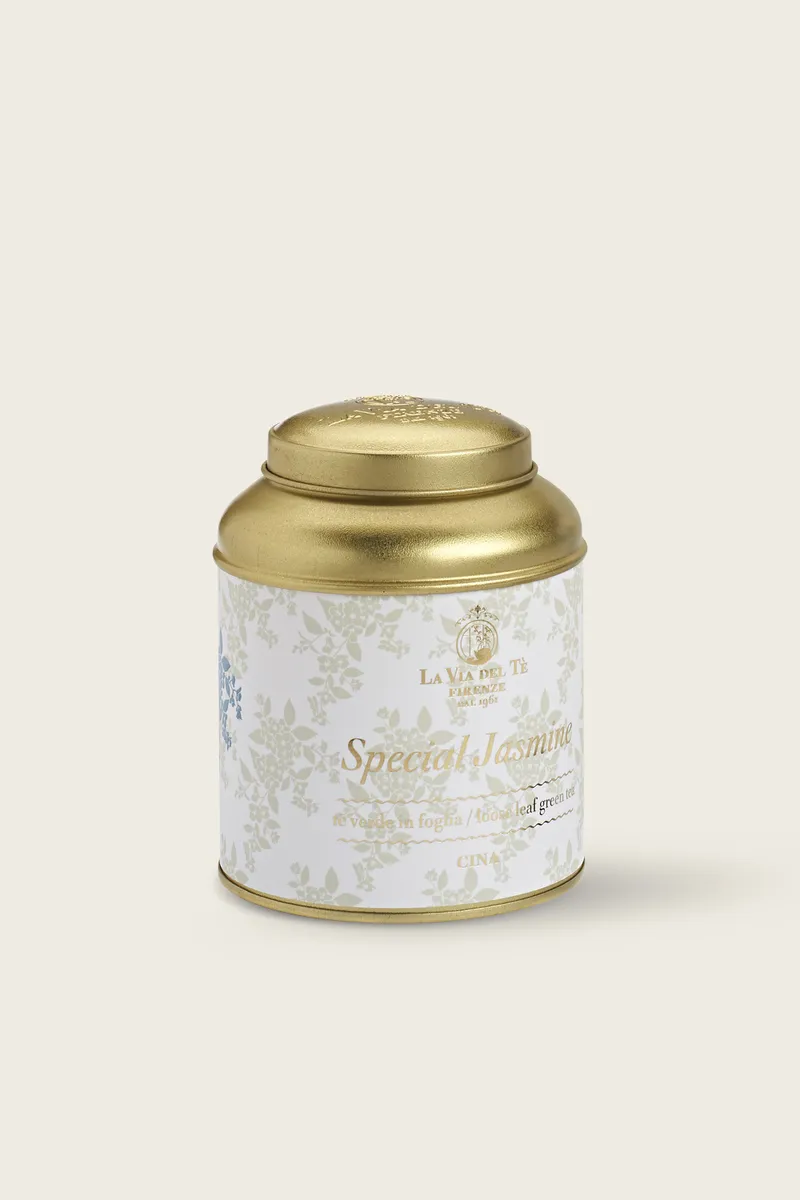
Among the many teas in our selection, a few examples help illustrate these differences: Lung Ching offers a velvety, sweet taste with notes of cooked chestnut. Green Kukicha Bio balances savoury and sweet flavours with little astringency. Special Jasmine brings the floral fragrance of jasmine to green tea, while Anji Baicha White stands out for its smooth, sweet and lingering taste.
Properties of green tea
Green tea naturally contains polyphenols, including catechins, compounds studied for their antioxidant activity. This scientific interest does not, however, mean that every cup delivers established therapeutic effects.
Green tea also contains caffeine, the amount of which varies depending on the product, the quantity of leaves and the brewing conditions.
How to brew green tea
To fully appreciate the taste of green tea, it is important to choose the right water temperature and follow the recommended steeping time.
As a general guideline, for many loose-leaf green teas you can use approximately 2.5–3 grams per 200 ml of water, at a temperature between 70 and 80°C, and steep for 2–3 minutes.
These values are a starting point: quantities, temperatures and steeping times can vary according to the type and processing. Some teas require cooler water or shorter infusions, while others call for slightly higher temperatures. Always follow the instructions on the packaging or product page for your chosen tea.
Once the steeping time is complete, separate the leaves from the beverage and serve.